

 Trustpilot
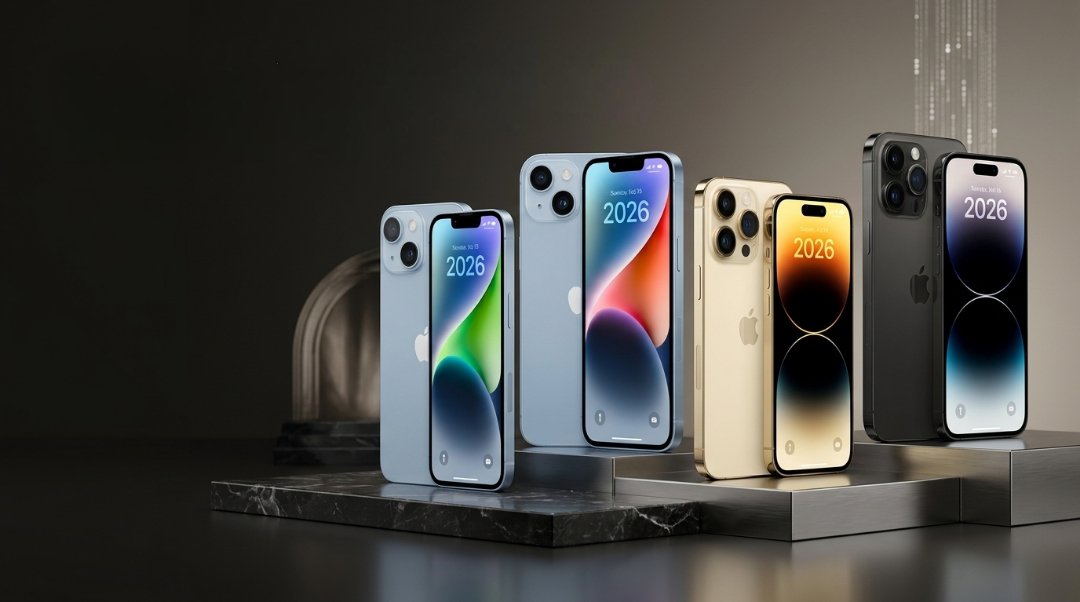
Is the iPhone 14 Series Still Worth Buying in 2026?
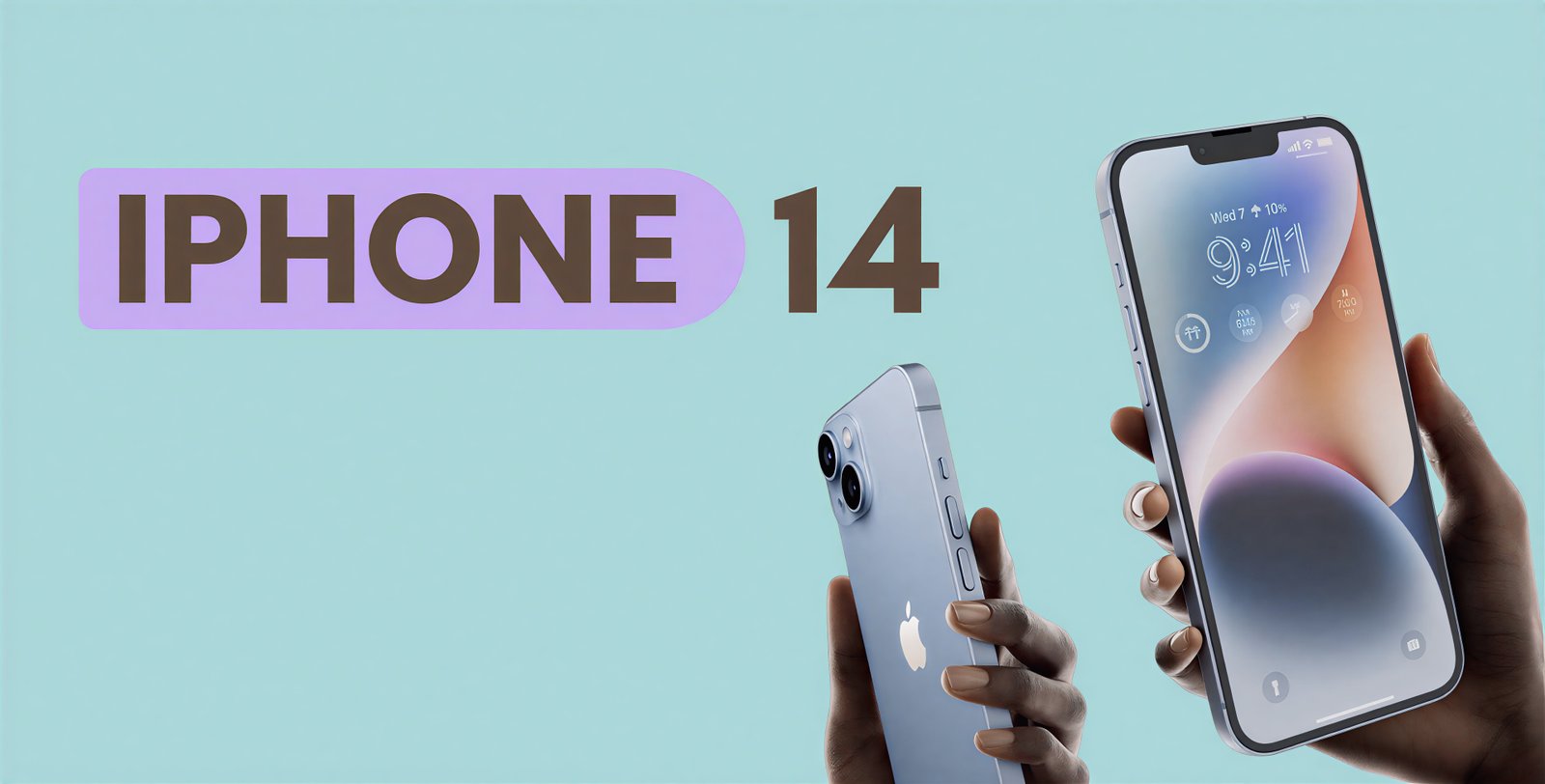
Yes—overall, the iPhone 14 series remains a smart buy in 2026, especially as a used or refurbished phone. It comes with the newest version of iOS, excellent photo quality, and it is more than capable of handling anything from texting to social media. The primary drawback is that Apple no longer produces this model, meaning that you will almost certainly buy it used. Those who require the most recent camera technology or a few extra years of premium updates might find a newer model preferable.
Should you be trying to decide if you should purchase an iPhone 14, iPhone 14 Plus, iPhone 14 Pro, or iPhone 14 Pro Max, then our review will give you insight into everything these models have to offer and what separates them from each other.
Why the iPhone 14 Series Still Holds Up in 2026
The iPhone 14 series launched back in September 2022, so it's fair to ask whether a phone from that generation still has anything to offer. The honest answer is quite a lot.
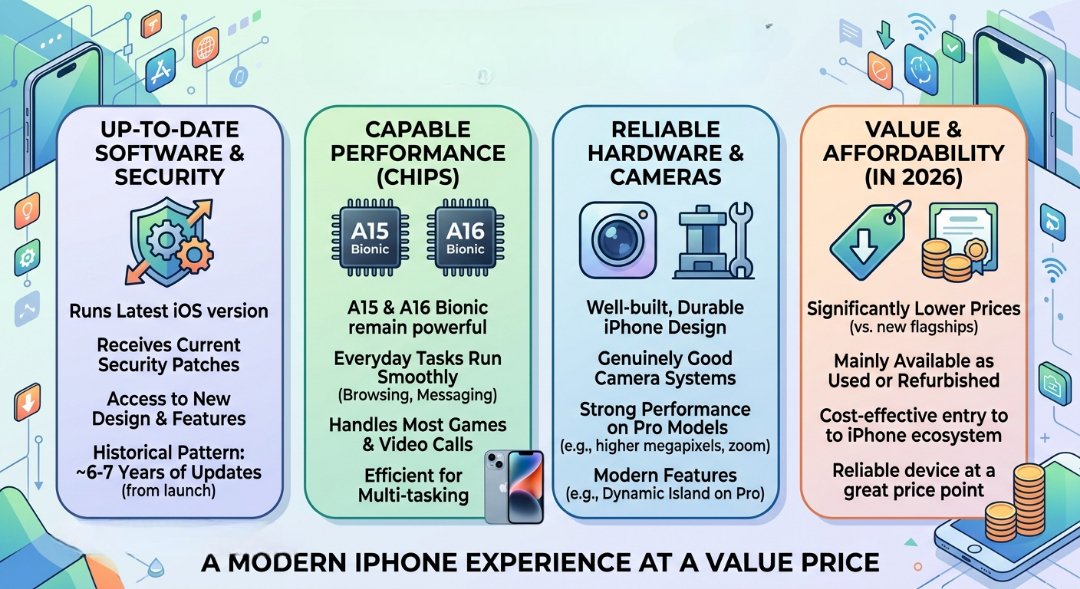
Software is the biggest reason. All four models—iPhone 14, iPhone 14 Plus, iPhone 14 Pro, and iPhone 14 Pro Max—are officially supported on iOS, Apple's latest operating system. That means you're getting current security patches, the newest design and features Apple ships to compatible devices, and continued access to the App Store's latest apps. Apple's iPhones have historically received major software updates for around six to seven years from launch, which points to continued support for the iPhone 14 line for some time yet—though Apple doesn't publish a fixed number of future updates in advance, so it's sensible to treat that as a general pattern rather than a guarantee.
Hardware-wise, the A15 Bionic (in the standard models) and A16 Bionic (in the Pro models) are still comfortably capable chips. Everyday tasks—browsing, messaging, social apps, most games, and video calls—run smoothly. Cameras remain genuinely good, especially on the Pro models. And because Apple has since discontinued the iPhone 14 from its own lineup in favor of newer models, the phones you'll find today are almost always used or refurbished, which brings the price down considerably compared with buying new.
That price drop is really what keeps the iPhone 14 series relevant in 2026: it's a way to get a reliable, well-built iPhone with a modern camera and current software, without paying flagship prices.
Meet the Four iPhone 14 Models
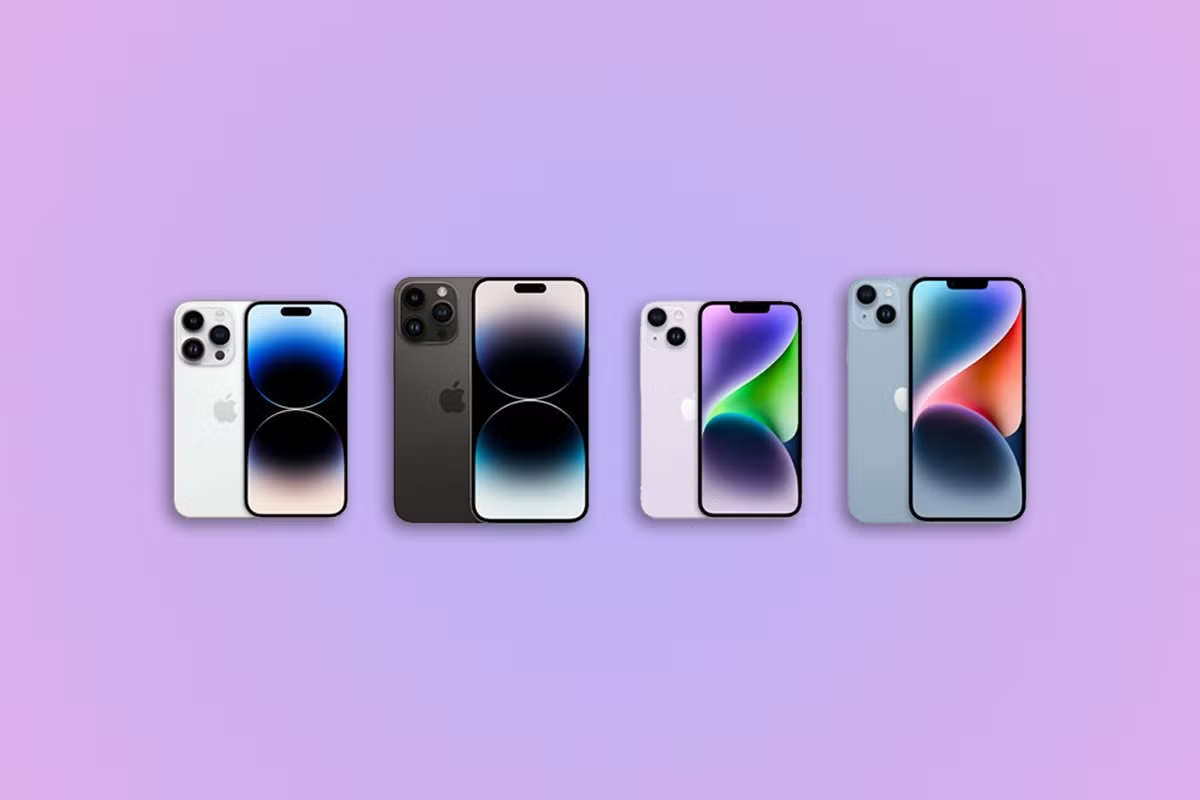
The iPhone 14 series splits neatly into two tiers: the standard models (iPhone 14 and iPhone 14 Plus) and the Pro models (iPhone 14 Pro and iPhone 14 Pro Max).
- iPhone 14 – The standard, compact option with a 6.1-inch display.
- iPhone 14 Plus – The same core experience as the iPhone 14, but with a larger 6.7-inch screen and bigger battery.
- iPhone 14 Pro – Adds the Dynamic Island, a faster A16 Bionic chip, an always-on display, and a significantly upgraded camera system.
- iPhone 14 Pro Max – The Pro experience on the largest 6.7-inch display, with the longest battery life of the four.
The gap between the standard and Pro models isn't just screen size—it's a genuine difference in camera capability, display technology, and everyday performance headroom, which we'll unpack below.
iPhone 14 Series Comparison Table
iPhone 14: The Dependable Jack-of-all-Trades
The regular iPhone 14 is the cheapest gateway into the range, and it nails everything that matters about the iPhone experience very nicely. It’s got a bright and beautiful 6.1-inch OLED screen that’s perfect for browsing and messaging. The A15 Bionic chip—the same performance-class chip found in the iPhone 13 Pro—keeps things responsive for years of typical use.
The dual 12MP camera system won't match the Pro's low-light and zoom performance, but for everyday photos, social media content, and video calls, it's more than capable. This is the model most first-time iPhone buyers, students, and anyone prioritizing value over specs should look at first.
iPhone 14 Plus: More Screen, More Battery, Same Core Experience
The iPhone 14 Plus is essentially the iPhone 14 stretched onto a 6.7-inch display, with a notably larger battery to match. If you find yourself wishing your phone screen were bigger—for watching video, reading, or one-handed typing being less of a priority than viewing space—the Plus delivers that without changing the camera or chip experience.
Battery life is the standout upgrade here. Rated for up to 26 hours of video playback compared with 20 hours on the standard iPhone 14, it's a genuinely useful improvement for anyone who's tired of reaching for a charger by mid-afternoon. Families and heavy media consumers tend to appreciate this model most.
iPhone 14 Pro: The Camera and Performance Upgrade
The iPhone 14 Pro is where things get noticeably more advanced. It introduces the Dynamic Island—a shape-shifting notch area that displays live activities, notifications, and background tasks—along with an always-on display that shows the time and widgets even when the phone is locked.
Under the hood, the A16 Bionic chip offers a meaningful step up in efficiency and sustained performance over the A15, which matters for tasks like editing 4K video, gaming, or running several demanding apps at once.
The camera is the biggest reason photography enthusiasts gravitate toward this model. A 48MP main sensor allows for much higher-resolution photos and better detail retention when cropping, alongside genuine 2x and 3x optical-quality zoom options through sensor cropping and a dedicated telephoto lens. Low-light performance is also considerably improved over the standard iPhone 14.
iPhone 14 Pro Max: Maximum Screen and Battery
The iPhone 14 Pro Max combines everything from the Pro with the largest available display and the best battery life in the lineup—up to 29 hours of video playback. If you want the full Pro camera and performance experience but also prioritize screen real estate and all-day (often multi-day) battery life, this is the model to choose.
It's a large phone and worth trying in hand if possible before buying, but for users who consume a lot of media, take a lot of photos and video, or simply hate charging their phone daily, it remains one of the most well-rounded large-screen iPhones Apple has made.
Standard vs. Pro: What Actually Changes Day to Day
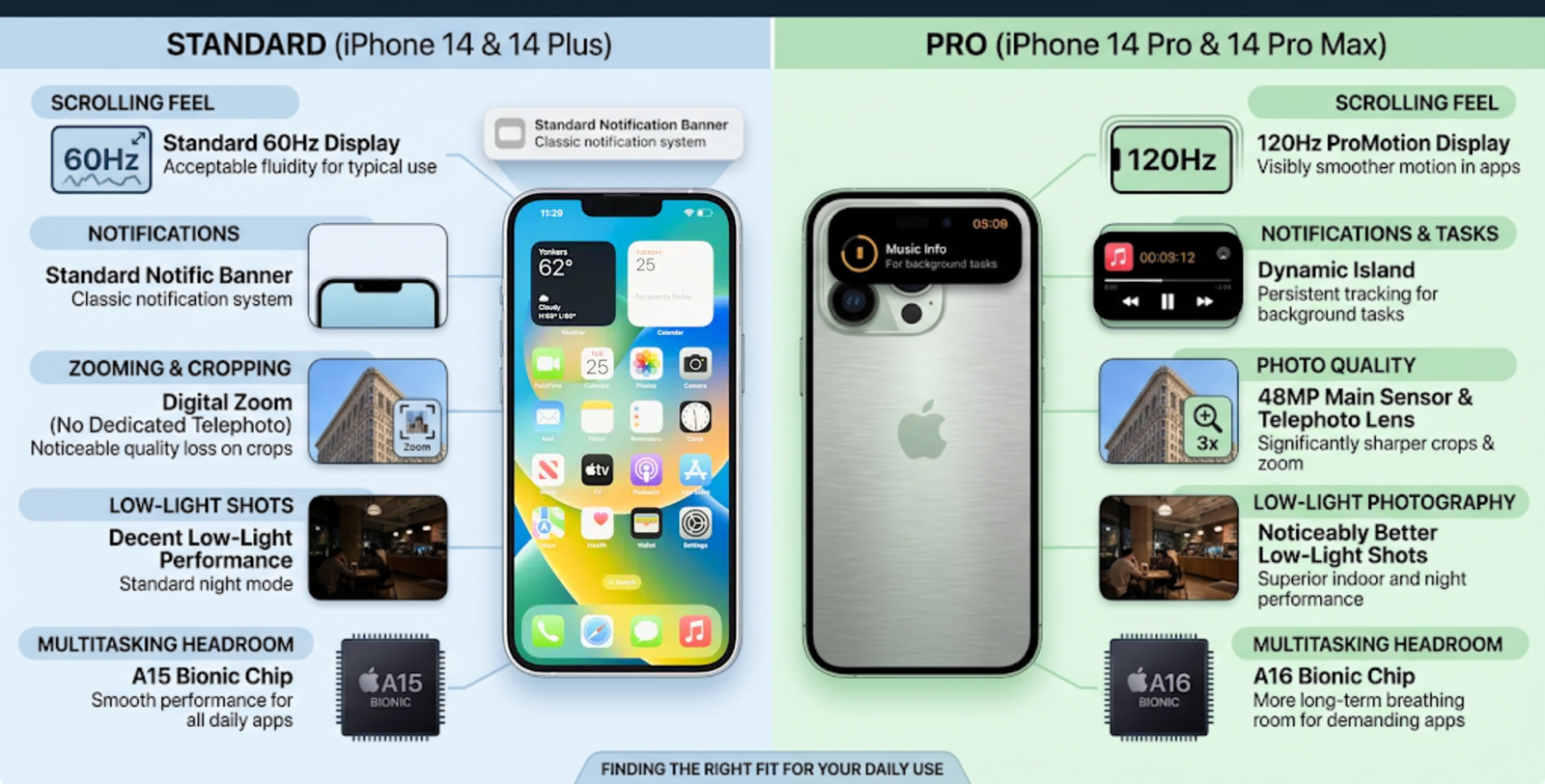
On paper, the differences between the standard and Pro iPhone 14 models look like a spec sheet exercise. In practice, here's what you'll actually notice:
- Scrolling feel—The Pro models' 120Hz ProMotion display makes scrolling through apps and web pages visibly smoother than the 60Hz standard models.
- Notifications and background tasks – The Dynamic Island on Pro models gives you a persistent, glanceable way to track timers, music, and calls without opening an app.
- Photo quality when cropping or zooming – The Pro's 48MP sensor and telephoto lens hold up far better when you crop into a photo or zoom in on a subject.
- Low-light photography – Pro models handle dim indoor lighting and night shots noticeably better.
- Multitasking headroom – The A16 Bionic gives the Pro models a bit more long-term breathing room for demanding apps and future iOS features.
None of this makes the standard models bad—it just clarifies that the Pro upgrade is about specific use cases (photography, smoother visuals, more headroom) rather than a universal improvement everyone needs.
Battery and Display: Why Screen Size Matters More Than You Think
Battery capacity in the iPhone 14 series scales closely with screen size, which is why the 6.7-inch iPhone 14 Plus and iPhone 14 Pro Max outlast their 6.1-inch counterparts by several hours of video playback. If all-day battery life without a midday top-up matters to you, the larger models are worth the extra bulk.
Display quality is a separate consideration. All four models use OLED panels with true blacks and strong color accuracy, but only the Pro models add ProMotion's adaptive refresh rate (up to 120Hz) and the always-on display. For most people, the standard models' 60 Hz display is perfectly comfortable—the difference is more noticeable when you've used a 120 Hz display and go back, rather than the other way around.
A15 Bionic vs A16 Bionic: Does the Performance Gap Matter?
The A15 Bionic (standard models) and A16 Bionic (Pro models) are both strong performers, and for the vast majority of everyday tasks—calls, messaging, social apps, web browsing, casual gaming—you won't notice a meaningful difference between them in 2026.
Where the A16 pulls ahead is in sustained, demanding workloads: heavier mobile games, 4K video editing, and running multiple resource-intensive apps side by side. It's also more power-efficient, which contributes to the Pro models' camera processing speed and overall responsiveness under load. If your phone use is fairly typical, the A15 will serve you well for years to come. If you're a mobile gamer, content creator, or someone who pushes their phone hard, the A16 Bionic gives you more comfortable long-term headroom.
Is Buying an iPhone 14 Series Phone in 2026 Smarter Than Buying New?
Apple has discontinued the iPhone 14 series from its own store, meaning it's no longer sold new by Apple directly—the phones available today come from carriers, retailers, and the used and refurbished market. This actually works in buyers' favor: prices have dropped well below launch pricing, while the phone itself still runs current software and takes excellent photos.
Compared with buying a newer iPhone, the trade-offs are fairly clear-cut. A current-generation iPhone will get more years of future software support, faster performance, and (on later models) a USB-C port instead of Lightning. But it will also cost significantly more. If your budget is a priority and your needs are everyday use rather than cutting-edge specs, a well-conditioned iPhone 14 series phone offers excellent value that a brand-new flagship simply can't match at the same price point.
Which iPhone 14 Model Should You Buy in 2026?
Rather than crowning one "best" model, it's more useful to match the phone to how you actually use it:
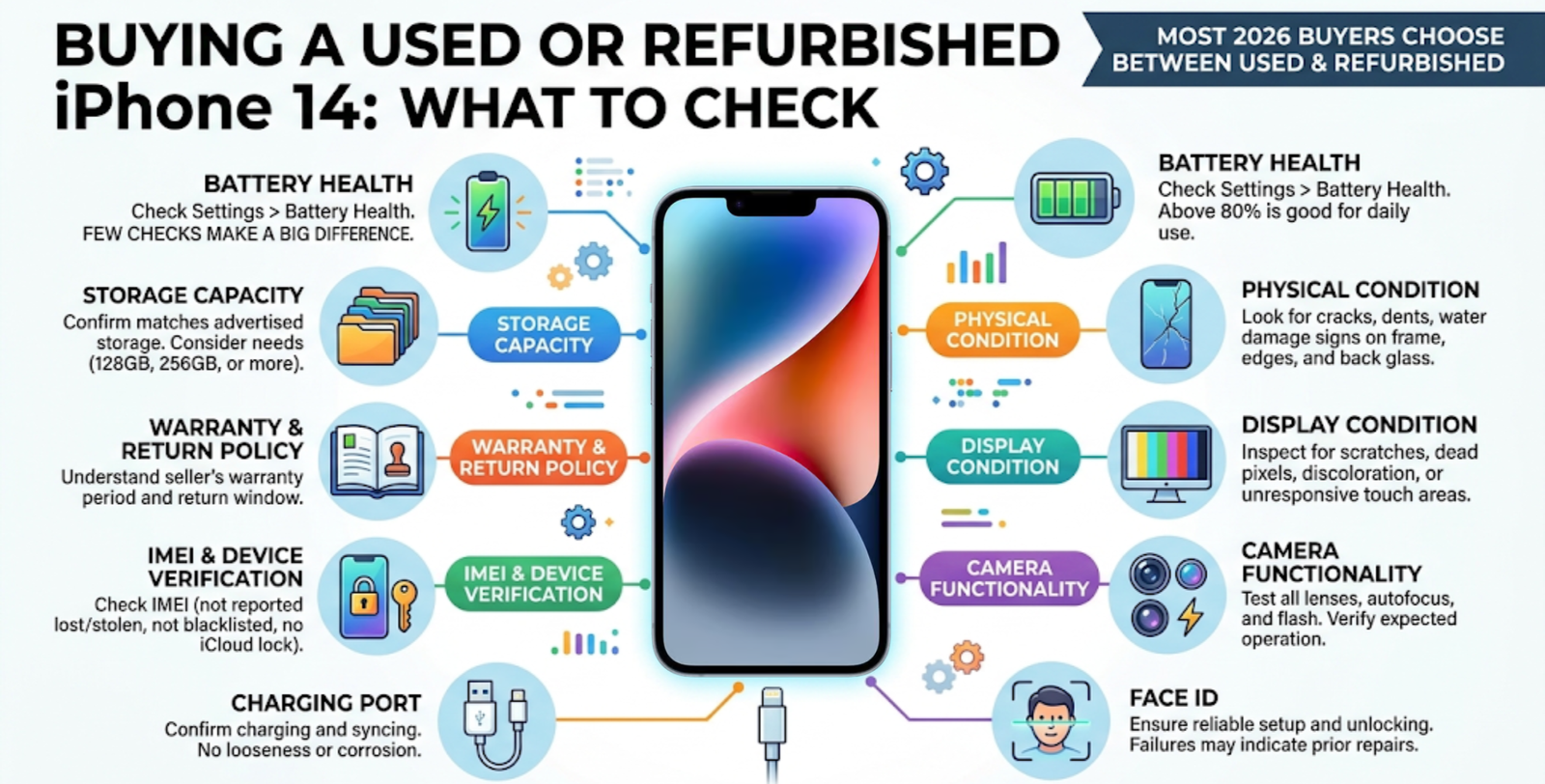
Buying an iPhone 14 From Fone4u
Since the iPhone 14 series is now mainly available secondhand, choosing where you buy from matters as much as which model you choose. Fone4u specializes in tested and graded used and refurbished phones, which makes it a natural place to shop for an iPhone 14, iPhone 14 Plus, iPhone 14 Pro, or iPhone 14 Pro Max without gambling on an unverified private sale.
Before buying, it's worth checking Fone4u's current listing for your chosen model to confirm the specific grading, warranty length, and return policy attached to that individual device, as these details can vary by listing and are best confirmed directly at the point of purchase.
Final Thoughts
There's no single "right" iPhone 14 model—the right choice depends on how you use your phone day to day. If you want simple, reliable performance at the lowest price, the standard iPhone 14 does the job well. If screen size and battery life matter more than camera specs, the iPhone 14 Plus is worth the small step up. And if photography, smoother visuals, or the biggest possible screen and battery are priorities, the Pro and Pro Max models are still genuinely strong choices in 2026.
Whichever model fits your needs and budget, buying from a seller who tests, grades, and stands behind their devices will make the biggest difference to how happy you are with your purchase in the long run.