

 Trustpilot
Is a Refurbished Phone Worth It in Ireland? A Straight Answer
You've seen the price difference. A brand-new flagship iPhone or Galaxy costs well over a grand, and right next to it sits the same model, refurbished, for hundreds less. It looks like a great deal—but is it actually a good phone, or are you just buying someone else's problem?
That hesitation is completely normal. Most people's only reference point for "second-hand electronics" is a stranger's listing on a marketplace app, with no testing, no warranty, and no way to know what you're really getting. Refurbished phones from a proper retailer are a different thing entirely—but the word "refurbished" gets used loosely enough that it's fair to be cautious.
This guide covers exactly what you need to know before buying: what refurbished actually means, how grading works, what to check, and how to tell a trustworthy seller from a risky one—so you can make the call with confidence, not just hope.
What Is a Refurbished Phone, Exactly?
A refurbished phone is a previously owned or returned device that's been professionally inspected, repaired where needed, tested across its hardware and software, and restored to full working condition before being resold—usually with a warranty attached.
That's the key difference from a plain "used" phone: "refurbished" implies a process, not just a change of ownership.
Refurbished vs Used vs New
| New | Refurbished | Used (private sale) | |
|---|---|---|---|
| Condition | Unopened, factory-sealed | Professionally tested and restored | Unknown—seller's word only |
| Testing | Factory QA | Multi-point diagnostic (battery, screen, cameras, ports, buttons) | None |
| Warranty | Manufacturer's standard warranty | Retailer warranty (varies — Fone4U offers 18 months) | Typically none |
| Price | Full RRP | Usually 20–45% less than new | Varies, often little saving after risk factored in |
| Battery health | 100% | Checked and disclosed, often replaced if below threshold | Unknown |
| Data wipe | N/A | Securely wiped and factory reset | Not guaranteed |
Is a Refurbished Phone Worth It? The Short Answer
Yes—a refurbished phone is worth it when it's bought from a retailer that properly tests, grades, and warranties its devices. The savings are real (often 20–45% off the new price), the environmental impact is genuinely lower, and a good refurbished phone performs, in day-to-day use, indistinguishably from new.
The catch: "worth it" depends entirely on where you buy it. A refurbished phone from an untested private listing carries real risk. A refurbished phone from a graded, warranted retailer is a fundamentally different—and much safer—purchase.
How Refurbished Phone Grading Works
Reputable refurbished sellers grade devices by cosmetic condition after functional testing is already complete. Grading only describes how it looks—a properly refurbished phone should work fully regardless of grade.
| Grade | Cosmetic Condition | Typical Signs |
|---|---|---|
| Grade A (Excellent) | Looks close to new | Minimal to no visible marks, screen free of scratches |
| Grade B (Good) | Light, normal wear | Minor scuffs or light scratches, not distracting in use |
| Grade C (Fair) | Visible wear | Noticeable scratches or marks, fully functional |
At Fone4U, every device sold is Grade A—fully tested, cosmetically excellent, and backed by an 18-month warranty, which is well beyond the 3–6 months many refurbished sellers offer.
The Real Benefits of Buying Refurbished
Significant cost savings. A flagship phone that costs €1,000 new is often available refurbished for hundreds less—savings of 20–45% are typical, depending on model, age, and condition.
Lower environmental impact. Manufacturing a single smartphone has a substantial carbon and water footprint. Buying refurbished extends a device's usable life instead of adding demand for new raw materials and manufacturing.
Access to better specs for your budget. Instead of a brand-new mid-range phone, the same budget often buys a refurbished flagship from one or two generations back—better camera, better chip, better screen.
Warranty-backed peace of mind. Unlike a private used-phone sale, a reputable refurbished retailer stands behind the device with a real warranty and support line.
Common Concerns—and What's Actually True
"The battery will be degraded." Reputable refurbishers test battery health as standard and disclose it, often replacing batteries that fall below an acceptable threshold before the phone is ever listed for sale.
"It might be stolen or blacklisted." Legitimate retailers check IMEI status before resale to confirm a device isn't reported lost, stolen, or still locked to a previous owner's account.
"There's no support if something goes wrong." This is true for private sales, but not for a proper refurbished retailer—a real warranty period and a support line are standard with a trustworthy seller.
"Refurbished just means used." Not accurate. "Used" means simple resale with no verification. Refurbished means tested, repaired where needed, and restored to full working order before resale.
What to Check Before You Buy a Refurbished Phone
- Check the grading system. Understand exactly what "Grade A," "Grade B," etc. mean for that specific seller—grading isn't universally standardized.
- Confirm the warranty length. Anything under 3 months is a weak signal; 12 months or more indicates real confidence in the device.
- Ask about battery health. A trustworthy seller will tell you the battery health as a percentage or condition rating without being asked.
- Verify IMEI/blacklist status. Make sure the device isn't reported lost, stolen, or still tied to iCloud/Google account locks.
- Check return policy. A fair return window (7+ days) lets you confirm the phone works as expected once you're actually using it.
- Look for independent reviews. Trustpilot or Google reviews specifically mentioning refurbished purchases (not just general service) are a strong trust signal.
- Confirm what's included. Charger, cable, and original-style packaging vary by seller—check before you buy if this matters to you.
Refurbished vs. New: Side-by-Side
| Factor | Refurbished | New |
|---|---|---|
| Price | 20–45% lower | Full RRP |
| Warranty | Retailer-backed (varies; Fone4U: 18 months) | Manufacturer standard (typically 12 months) |
| Environmental impact | Lower—extends device lifespan | Higher—new manufacturing |
| Latest features | Usually 1–2 generations back, unless buying a recently refurbished current-gen device | Always current generation |
| Risk (from a graded, warrantied seller) | Low | Very low |
| Best for | Budget-conscious buyers, sustainability-minded buyers, flagship specs on a mid-range budget | Buyers who want the absolute newest model on day one |
Refurbished Phone Brands & Models Available in Ireland
Refurbished isn't just an iPhone thing—every major brand has a healthy refurbished market, and the right choice often comes down to what you use your phone for rather than brand loyalty alone.
| Brand | Series/Models Available | Typical Savings vs. New | Best For |
|---|---|---|---|
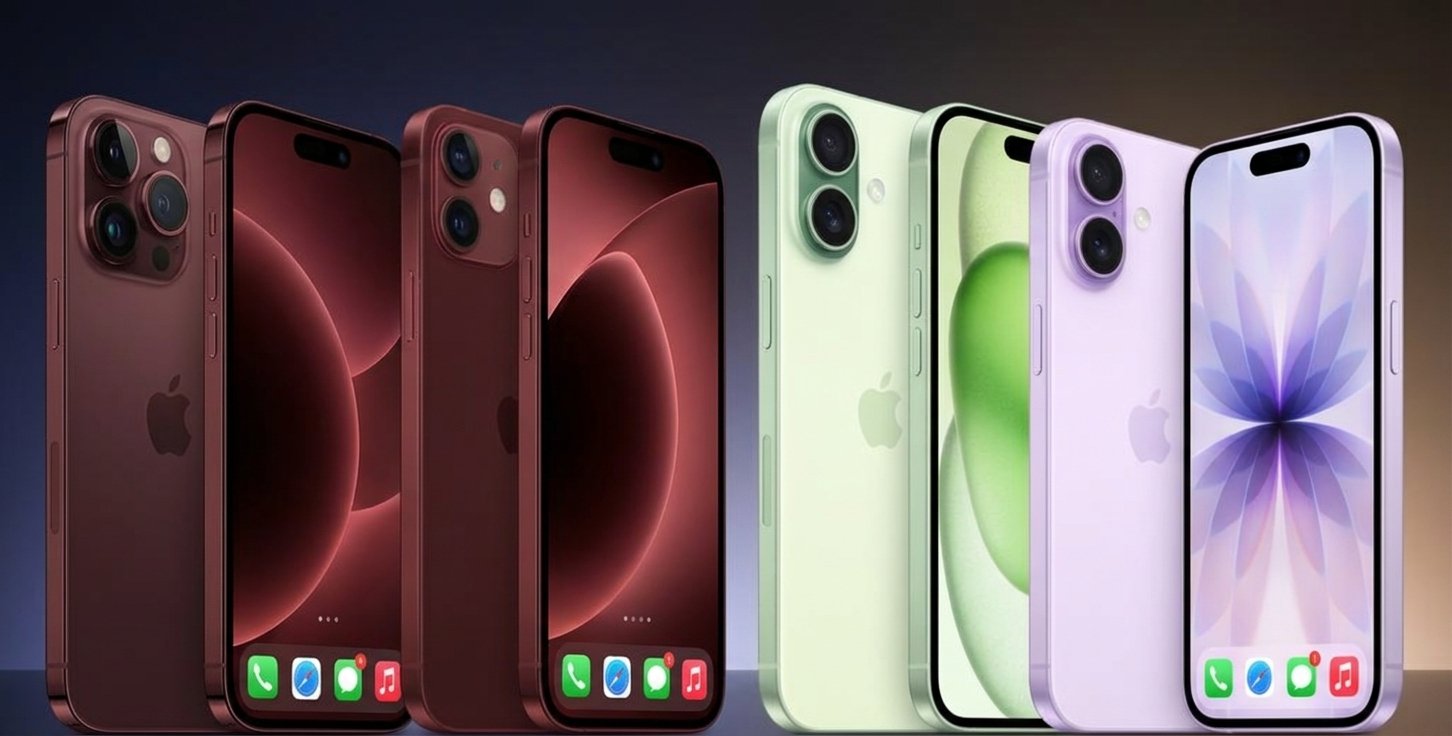
| iPhone | iPhone 11 through iPhone 17 Series, plus iPhone SE | 20–45% | iOS users wanting the widest refurbished stock and highest resale value later |
| Samsung Galaxy | A Series, S20–S26 Series, Z Series (Fold/Flip) | 20–40% | Android users wanting flagship specs or a foldable at a lower price point |
| Google Pixel | Pixel Series | 20–35% | Buyers who want the cleanest Android experience and best computational camera software |
| Oppo | Oppo Series | 25–40% | Budget-conscious buyers wanting strong camera hardware for the price |
| Xiaomi | Xiaomi Series | 25–40% | Buyers prioritizing battery life and display quality on a tighter budget |
| Nothing Smartphone | Nothing Phone Series | 20–35% | Buyers who want distinctive design alongside solid mid-range performance |
| Nokia | Nokia Series | 25–40% | Buyers prioritizing durability and simplicity |
| Doro | Doro Series | 20–35% | Older users or anyone wanting a simpler, easy-to-use handset |
Savings percentages are typical ranges and vary by specific model, storage, condition, and how recently that model launched—always check the individual product page for the exact price and grade.
A quick brand-choice rule of thumb: if you want the largest refurbished selection and the strongest resale value down the line, iPhones and Samsungs dominate the secondary market. If pure value-for-spec is your priority, Xiaomi and Oppo often deliver more hardware for less, refurbished or new.
How to Buy a Refurbished Phone Safely in Ireland
Buy from a retailer, not a stranger. A registered business with a physical presence—like Fone4U's stores in Ballina, Sligo, and Bray—gives you accountability a private sale never can.
Check the warranty in writing. It should be stated clearly on the product page or receipt, not just promised verbally.
Read reviews that mention the actual product. General "good service" reviews are less useful than ones describing device quality and post-purchase support.
Ask what testing was done. A seller confident in their process will describe it clearly—battery health checks, functional testing across cameras, buttons, ports, and screen, and a full data wipe and factory reset.
Expert Tips to Get the Best Refurbished Deal
- Buy one or two generations back for the steepest savings without sacrificing much day-to-day performance.
- Time your purchase around new model launches—trade-in and refurbished stock typically increases (and prices soften) right after a new flagship generation launches.
- Check storage needs honestly—buying a higher storage refurbished model is often cheaper than buying storage new, since demand for base storage refurbished units is higher.
- Bundle your own trade-in—many retailers, including Fone4U, let you trade in your current device toward a refurbished purchase, stacking your savings further.
Conclusion
A refurbished phone is worth it when — and really only when — it comes from a seller who actually tests, grades, and guarantees what they sell. Done right, you get real savings, a genuinely lower environmental footprint, and a device that performs like new, backed by a warranty that actually means something.
The questions to ask before you buy are simple: What's the warranty? What was tested? What's the battery health? A seller who answers clearly and confidently is one worth buying from.
Ready to see it for yourself? Browse Fone4U's Grade A refurbished phone, all backed by an 18-month warranty—or visit us in Ballina, Sligo, or Bray to see the testing standard for yourself.