

 Trustpilot
Should you Upgrade from iPhone 17 to iPhone 18: What You Actually Got — And What You're Missing
A year ago, the iPhone 17 lineup felt like the future. The Dynamic Island shrank. The Air arrived and made every other "thin phone" claim from the past decade look silly. The Pro models got a camera system that finally deserved the word "Pro."
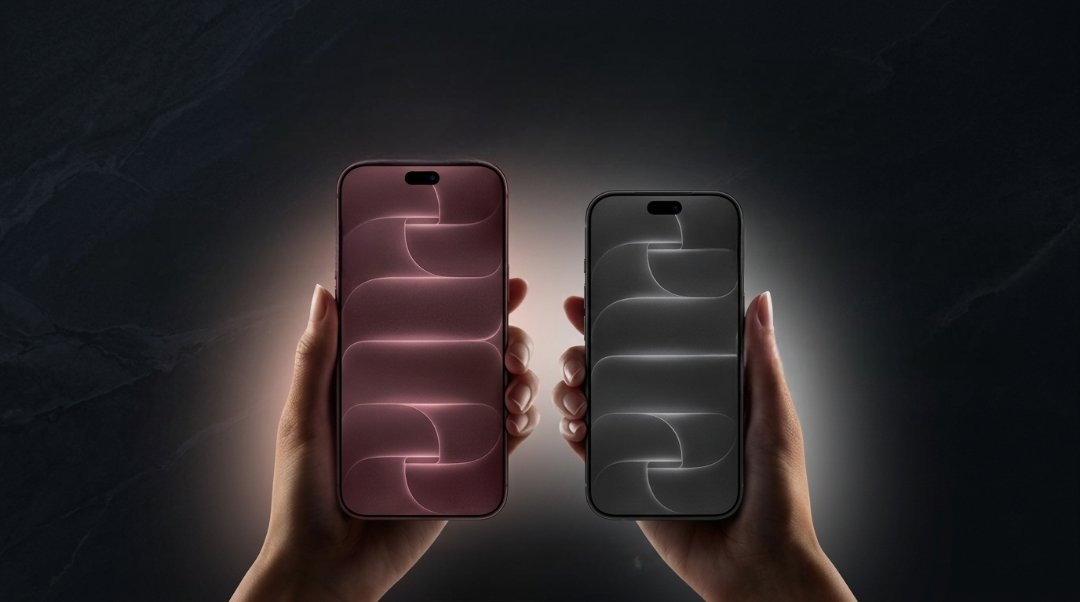
Then September 9, 2026, happened. Apple stood on stage at the "Surprise and Shine" event and introduced the iPhone 18 Pro and iPhone 18 Pro Max—and suddenly, a lineup that felt cutting-edge twelve months ago started to feel like exactly what it is: last year's phones.
That's not a knock on the iPhone 17 series. It's still an excellent lineup. But if you're holding one right now, it's worth knowing exactly what you have, what's changed, and whether this is the moment to make the jump. Let's get into it.
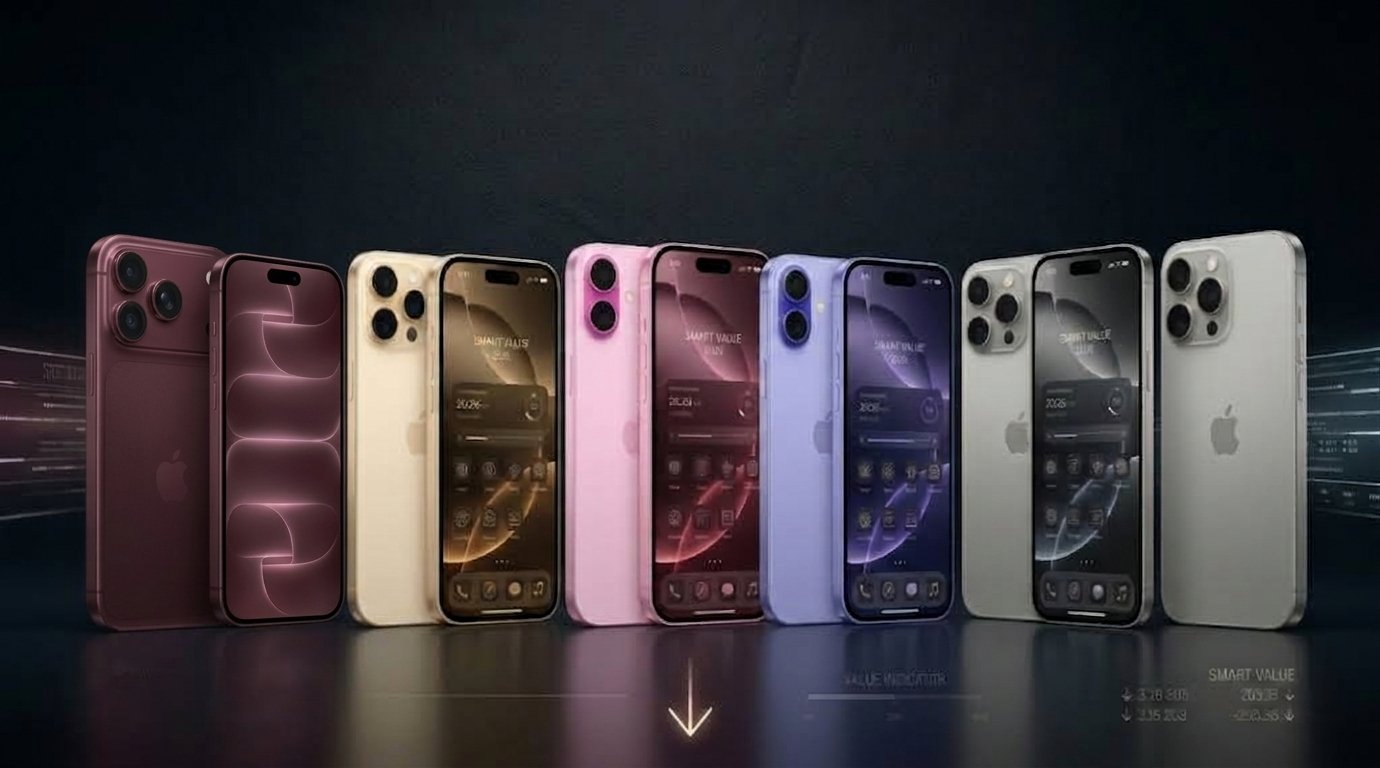
First, Let's Meet the Five Phones
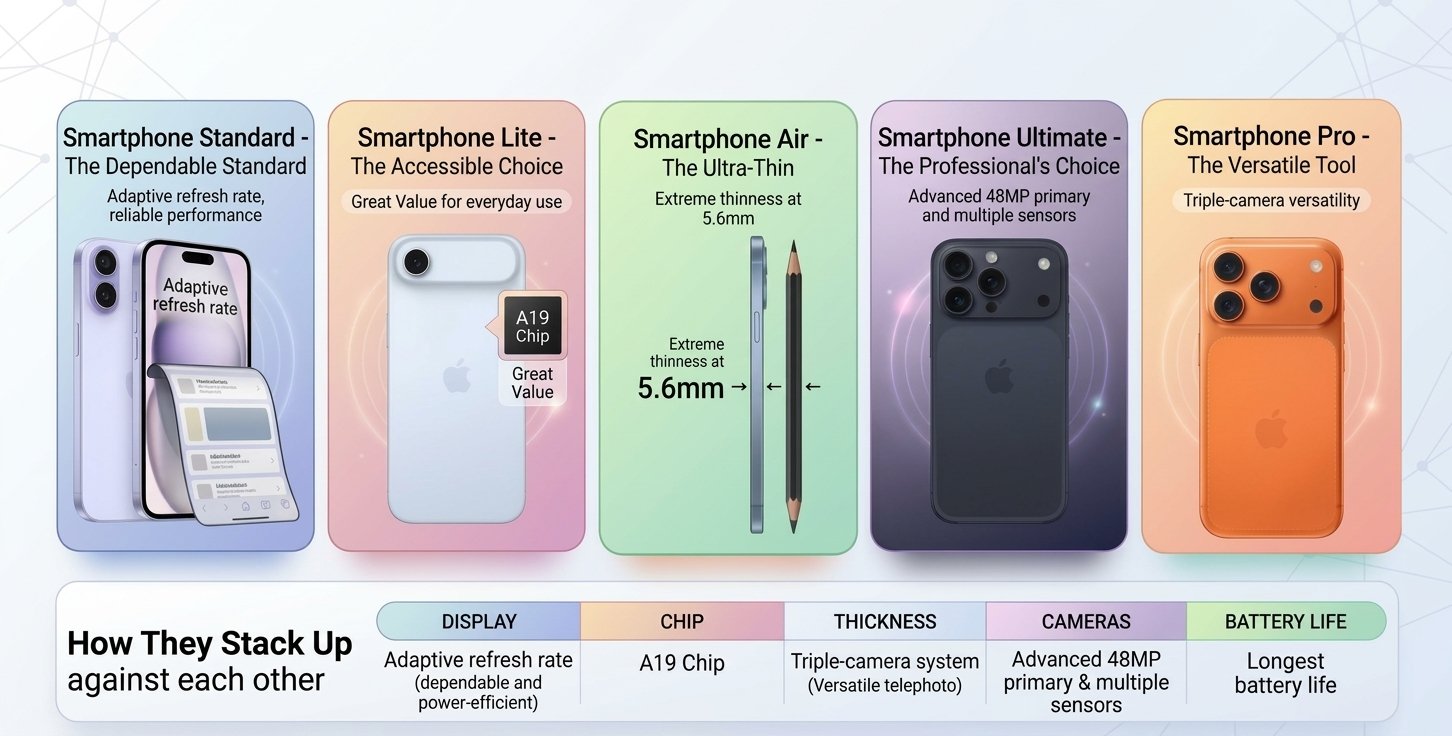
The iPhone 17 generation did something Apple hadn't done in years: it actually shook up the lineup structure. Out went the Plus model. In came the Air.
iPhone 17
The dependable standard model, now with a 120 Hz display for the first time.
iPhone 17e
Apple's budget play, launched separately in March 2026, built around the same A19 chip as its flagship siblings.
iPhone 17 Air
The headline act. At just 5.6mm thick, it's the thinnest iPhone Apple has ever shipped.
iPhone 17 Pro
The camera workhorse, with three matching 48MP lenses for the first time.
iPhone 17 Pro Max
Same Pro DNA, biggest screen, and longest battery life in the family.
Here's how they actually stack up against each other.
The Full Lineup, Side by Side
| Feature | iPhone 17e | iPhone 17 | iPhone 17 Air | iPhone 17 Pro | iPhone 17 Pro Max |
|---|---|---|---|---|---|
| Display | 6.1" OLED, Dynamic Island, 60Hz | 6.3" OLED, Dynamic Island, 120Hz ProMotion | 6.5" OLED, Dynamic Island, 120Hz ProMotion | 6.3" OLED, Dynamic Island, 120Hz ProMotion | 6.9" OLED, Dynamic Island, 120Hz ProMotion |
| Chip | A19 | A19 | A19 Pro | A19 Pro | A19 Pro |
| Rear camera | 48MP single (2x optical-quality zoom) | 48MP Main + 48MP Ultra Wide | 48MP single (2x optical zoom) | 48MP Main + 48MP Ultra Wide + 48MP Telephoto | 48MP Main + 48MP Ultra Wide + 48MP Telephoto |
| Front camera | 12MP | 18MP Center Stage | 18MP Center Stage | 18MP Center Stage | 18MP Center Stage |
| Build | Aluminum | Aluminum | Titanium | Aluminum unibody | Aluminum unibody |
| MagSafe | Yes (15W) | Yes | Yes | Yes | Yes |
| Charging | USB-C | USB-C | USB-C | USB-C | USB-C |
| Storage | 256GB / 512GB | 128GB / 256GB / 512GB | 256GB / 512GB | 256GB / 512GB / 1TB | 256GB / 512GB / 1TB |
| What it's really for | The best iPhone for your money | A genuinely balanced everyday flagship | Style and portability first | Photography and content creation | Maximum screen, maximum battery |
iPhone 17e
Small Price, Real Chip
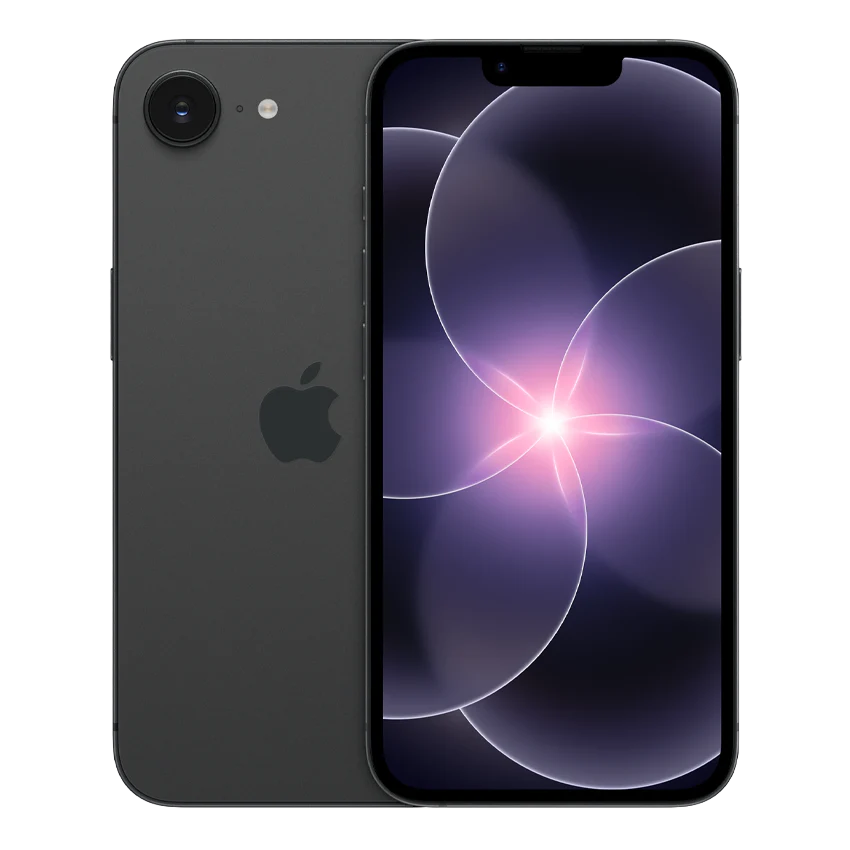
Let's start with the phone most people overlook. The iPhone 17e doesn't get the Dynamic Island treatment on the outside the way you'd expect from the name—wait, actually it does now, along with MagSafe for the first time in an "e" model, a real step up from the iPhone 16e. What it skips is the second camera lens and the Pro-level extras.
What it doesn't skip is the chip. The same A19 silicon running the standard iPhone 17 also runs here, which means this isn't a phone that feels slow next to its pricier siblings. If your budget is the primary decision-maker, this is where Apple's 2026 value actually lives.
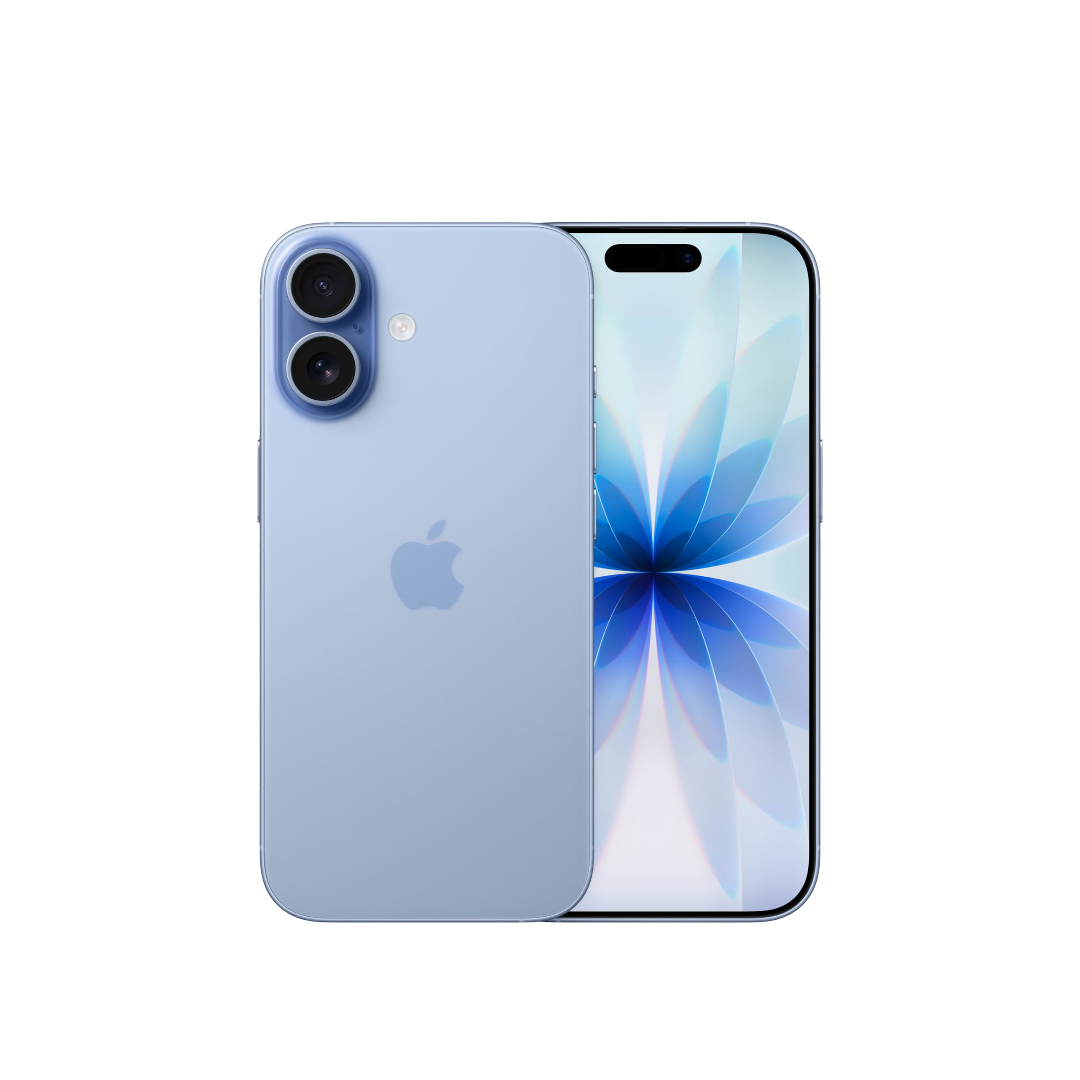
iPhone 17
The One Apple Didn't Have To Improve, But Did
Every year there's a base model that gets the "good enough" treatment. 2026 wasn't that year. The iPhone 17 picked up a 120 Hz ProMotion display—a feature locked behind Pro pricing for years—and a dual 48 MP camera system that makes the ultra-wide lens genuinely useful rather than an afterthought.
Nothing about this phone screams "compromise." It's the version of the iPhone 17 story most buyers actually lived: solid upgrade, no asterisks.
iPhone 17 Air
Thin, Bold, and a Little Bit Extreme
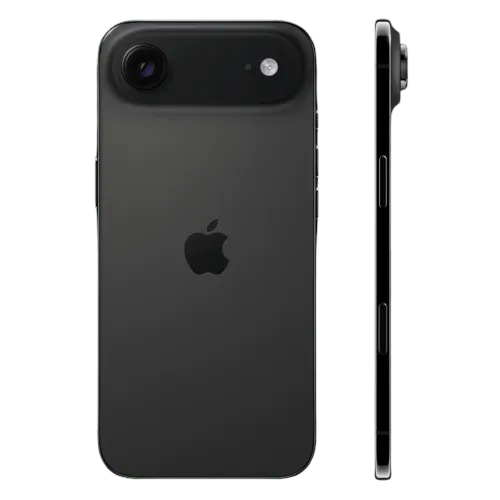
You've probably already formed an opinion about the Air just from holding one or watching someone else hold one. At 5.64mm, it doesn't look like a phone so much as a rumor of one. Apple achieved that thinness with real trade-offs—a single 48MP rear camera, no ultra-wide, and a smaller battery than its siblings—but gave it the A19 Pro chip anyway, which is a genuinely unusual move for a "compromise" model.
The Air isn't for everyone. It's for the person who wants their phone to feel like a design statement first and a camera system second.
iPhone 17 Pro
Three Lenses, One Real Purpose
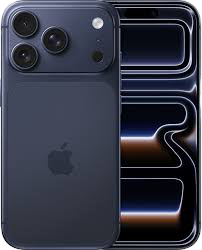
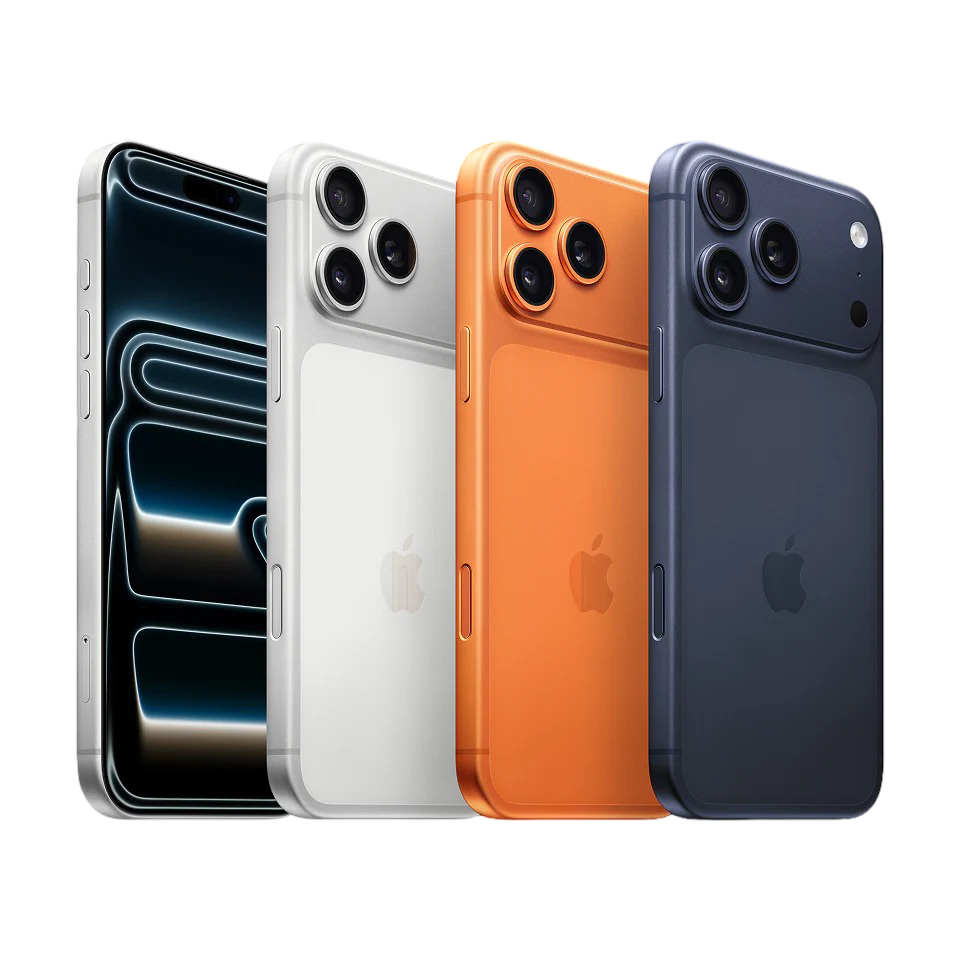
This is the model that made "Pro" mean something again. All three rear lenses—main, ultra-wide, and telephoto—now share the same 48MP resolution, something no previous iPhone generation managed. The result is consistency: photos don't suddenly lose detail the moment you switch from the main camera to zoom or wide shots, the way they did on older iPhones.
Add in the redesigned aluminum unibody frame with its "camera plateau," and you've got a phone built, quite literally, around its camera system.
So... Why Are We Talking About the iPhone 18?
Because it just happened, and it changes the calculus for every iPhone 17 owner reading this.
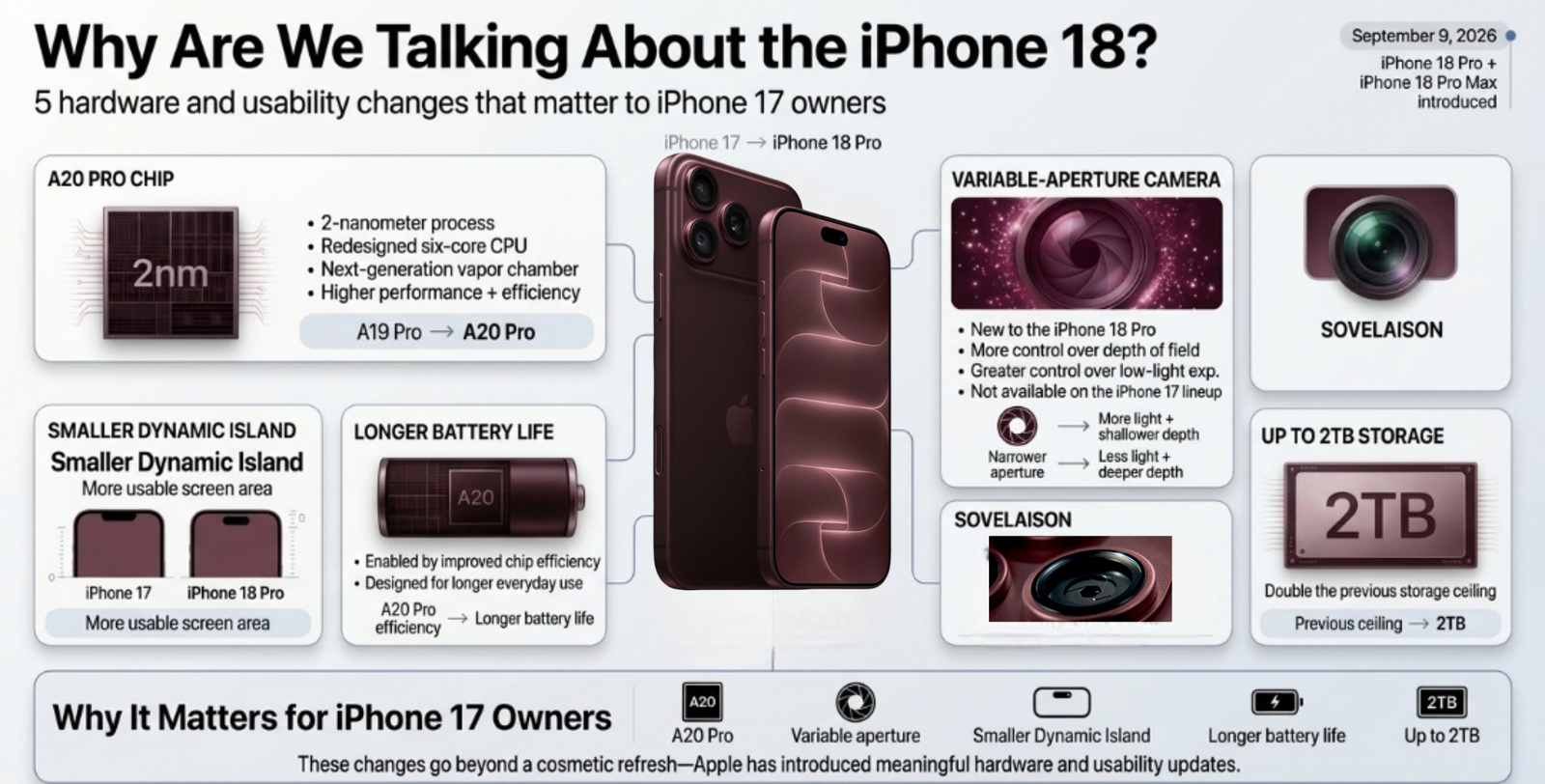
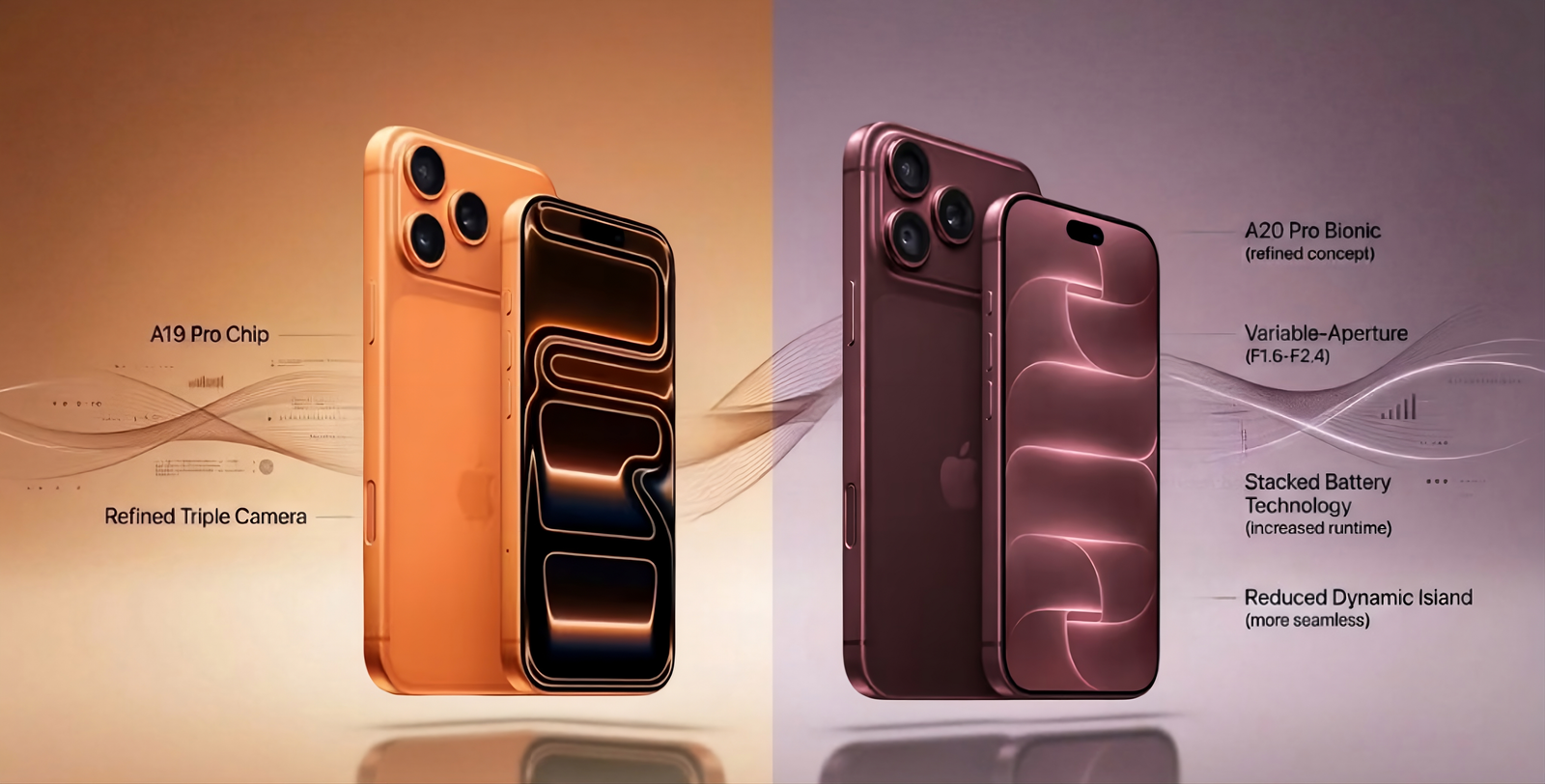
On September 9, 2026, Apple introduced the iPhone 18 Pro and iPhone 18 Pro Max, built around the new A20 Pro chip—Apple's first on a 2-nanometer process. That's not a marketing footnote. It's a genuine architectural shift, and Apple says it brings a real step up in both performance and efficiency over the A19 Pro powering your iPhone 17 Pro right now.
The changes worth knowing about if you're an iPhone 17 series owner:
Apple says the A20 Pro is built on a new 2-nanometer manufacturing process with a redesigned six-core CPU and a next-generation vapor chamber for sustained performance under heavy use.
A genuinely new capability, not available anywhere in the iPhone 17 lineup, giving far more physical control over depth of field and low-light exposure.
Apple has shrunk the pill-shaped cutout further, reclaiming a more usable screen.
Paired with the new chip's efficiency gains.
Double the previous ceiling.
Should an iPhone 17 Owner Upgrade?
Here's the honest version, not the sales pitch: if you bought an iPhone 17 Pro or Pro Max last September, you're still holding a fast, capable phone. Nobody needs to feel behind after twelve months.
But there are real reasons this particular upgrade cycle is worth paying attention to, more than most years:
A 2 nm process node is a genuine manufacturing leap, not an incremental refinement—this is the kind of shift that happens once every several years, not every generation.
Variable aperture isn't a refinement of an existing feature—it's new. If photography and video are why you buy the Pro models, that's worth sitting with.
The closer you are to the release, the more your iPhone 17 is worth against an upgrade.
If you're on the standard iPhone 17, iPhone 17e, or iPhone 17 Air, the calculation is a little different—those models weren't directly replaced this September, since Apple pushed the standard iPhone 18 and iPhone 18e to spring 2027. There's less urgency there and more time to decide.
Thinking About Making the Jump?
If the iPhone 18 Pro or Pro Max has caught your attention, Fone4u makes trading up straightforward—turning your current iPhone 17 series device into real value toward your next one, rather than letting it sit in a drawer losing worth every month. Check Fone4u's current trade-in valuations for your specific model and storage size to see exactly what your upgrade would look like.
The Bottom Line
The iPhone 17 series earned its reputation this year—a genuinely varied lineup with a phone for nearly every kind of buyer, from the value-focused 17e to the design-forward Air to the camera-obsessed Pro Max. None of that disappears just because the iPhone 18 Pro exists.
But if you're the kind of owner who tracks every generational leap, this is a bigger one than usual: a new chip architecture, a genuinely new camera capability, and a trade-in window that's wide open right now. Worth a look before it closes.
Thinking About Making the Jump?
If the iPhone 18 Pro or Pro Max has caught your attention, Fone4u makes trading up straightforward—turning your current iPhone 17 series device into real value toward your next one, rather than letting it sit in a drawer losing worth every month.
Not ready for an iPhone 18 Pro just yet? The discounted iPhone 16 series is also worth a look—full Apple Intelligence support, current software, and prices that just dropped.